
Dental Implants vs Dentures vs Bridges: How to Choose

On this page
- The three options explained
- Side-by-side comparison
- When implants tend to make sense
- When a denture may be the better choice
- When a bridge fits
- Full-arch options for people missing most teeth
- Living with each option day to day
- Cost and value over time
- Questions to ask before deciding
- Frequently asked questions
Choosing between dental implants vs dentures comes down to how many teeth you are missing, the health of your remaining teeth and bone, and how you feel about something removable. Implants replace the root of a tooth and are fixed in place, so they feel closest to natural teeth and help preserve the jawbone. Dentures sit on the gums and come out for cleaning; they are quicker and less invasive but can move and usually need relining over time. Bridges sit between the two, using neighbouring teeth or implants for support. A dentist who has examined you and seen your X-rays can tell you which options are realistic.
In short: Implants are the most stable and help protect bone, but need surgery and usually two trips. Dentures are quicker and simpler but can feel loose. Bridges suit small gaps where the neighbouring teeth need crowns anyway.
The three options explained
Dental implants are titanium posts placed in the jaw. Once they have fused with the bone, they support a crown, a bridge or a full arch of teeth. The process usually spans two trips to Turkey, as explained in the dental implant process.
Dentures are removable plates of teeth. A full denture replaces all the teeth in one jaw; a partial denture fills gaps and clips onto natural teeth. They can also be clipped onto two or more implants, which is called an implant-retained overdenture.
Bridges replace one or more missing teeth with false teeth fixed to crowns on the teeth either side, or to implants. A tooth-supported bridge means preparing the neighbouring teeth for crowns.
Side-by-side comparison
| Implants | Bridge | Denture | |
|---|---|---|---|
| Fixed or removable | Fixed | Fixed | Removable |
| Surgery | Yes | No (unless on implants) | No |
| Effect on neighbouring teeth | None | Teeth either side are crowned | Clasps may rest on them |
| Effect on jawbone | Helps preserve it | Bone under the gap still shrinks | Bone under the denture still shrinks |
| Chewing | Closest to natural teeth | Good | Reduced, especially with full dentures |
| Typical trips to Turkey | Usually two | Often one | Often one |
| Upkeep | Daily cleaning, regular checks | Cleaning under the bridge | Removing and cleaning daily, periodic relines |
When implants tend to make sense
Implants are often recommended when:
- you are missing one or a few teeth and the neighbouring teeth are healthy
- you dislike the idea of anything removable
- a lower denture keeps moving and making eating difficult
- you want to slow the bone loss that follows missing teeth
They are less suitable if you have uncontrolled gum disease, smoke heavily, or have certain medical conditions or medicines that affect healing. Some people need a bone graft first; our guide to bone grafting and sinus lifts explains when.
When a denture may be the better choice
Dentures remain a sensible option for many people, especially if:
- you would rather avoid surgery
- your general health makes surgery less advisable
- you need a quick solution, perhaps while saving for implants later
- you are missing most teeth and bone is very limited
Modern dentures can look natural, and an overdenture on two implants can make a lower denture far more stable without the cost of a full fixed arch.
When a bridge fits
A tooth-supported bridge is a good fit when the teeth on either side of a gap already need crowns because they are heavily filled or weakened. If they are healthy, many dentists prefer an implant so those teeth are not drilled. Our guide to veneers vs crowns explains how much tooth a crown removes.
Full-arch options for people missing most teeth
If you have lost most of your teeth in a jaw, the main choices are a full denture, an implant-retained overdenture, or a fixed full-arch bridge on four to six implants. The last option is covered in detail in All-on-4 vs All-on-6.
To understand what a clinic in Turkey would recommend for your mouth, you can send recent X-rays for a provisional plan. VDC Dental Clinic in Antalya describes its options on its dental implants in Turkey page.
Living with each option day to day
How a replacement feels in everyday life often matters more than how it looks on the day it is fitted.
- Eating: implants and implant bridges let most people eat a normal diet once healed. Tooth-supported bridges are similar. Full dentures, especially lower ones, can make crunchy or chewy foods harder, and many people cut food into smaller pieces.
- Speaking: fixed teeth rarely affect speech after the first days. A new denture can change certain sounds at first, and the tongue usually adapts within a few weeks.
- Taste and comfort: an upper denture covers the palate, which some people find affects how food feels. Implant bridges and overdentures can often be designed to leave the palate free.
- Cleaning: implants need careful brushing and cleaning around the gumline, much like natural teeth. Bridges need cleaning underneath with floss threaders or small brushes. Dentures come out every day for cleaning.
Cost and value over time
We do not quote prices, because they depend on your mouth and the clinic. What is worth knowing is how costs build up over the years. Implants usually cost more at the start but need fewer replacements if they are looked after. Dentures cost less at first but typically need relines and replacement as the gums change. A tooth-supported bridge may need redoing if one of the supporting teeth develops a problem. When you compare quotes, ask what each option is likely to need over the next ten years, not just on the first trip. Our guide on why dental treatment is cheaper in Turkey explains what drives the prices you will see.
Questions to ask before deciding
- Which options are realistic for my mouth, and why?
- What happens to my bone over time with each option?
- How many trips and how many days would each option need?
- What upkeep will each option need at home, and who will do it?
- What would it take to switch later, for example from a denture to implants?
Frequently asked questions
Are implants better than dentures?
Implants are more stable and help preserve bone, which is why many dentists favour them when they are suitable. But they involve surgery, more time and a higher cost, and they are not right for everyone. A well-made denture is still a good solution for many people.
Can I get implants after wearing dentures for years?
Often, yes, though long-term denture wear can reduce bone, so grafting or angled implants may be needed. A CBCT scan will show how much bone is available.
Do implant-retained dentures need surgery?
Yes, the implants are placed surgically, but usually only two to four are needed per jaw. The denture then clips onto them and is removed for cleaning.
How long do dentures last?
Dentures usually need relining as the gums and bone change, and replacing after some years. Your dentist will check the fit at regular appointments.
Keep reading
All-on-4 vs All-on-6: Which Full-Arch Implant Option Suits You?
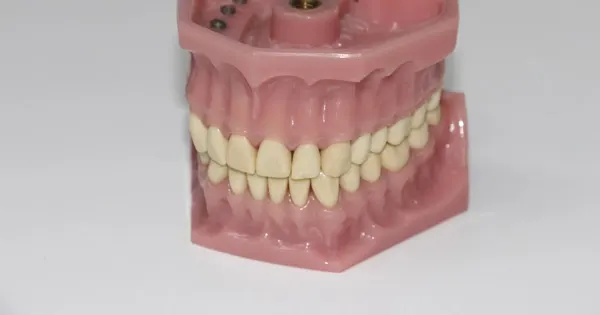
Both replace a full arch of teeth with a fixed bridge on implants. How four and six implants differ in bone needs, load, cost drivers and suitability, and what to ask before you choose.
Bone Grafting and Sinus Lifts Before Dental Implants in Turkey
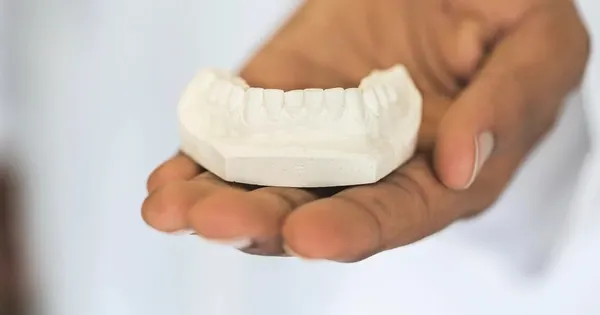
Why some jaws need extra bone before implants, what a graft or sinus lift involves, how it changes the timeline and number of trips, and how to look after the area while it heals.
The Dental Implant Process in Turkey, Step by Step
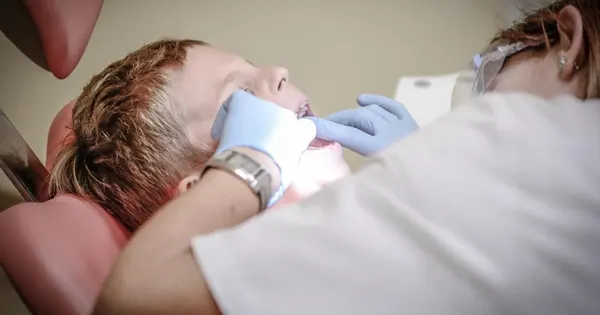
From the first scan to the final crown: what happens at each stage of implant treatment in Turkey, how long healing typically takes and when same-day teeth are realistic.