
What to Eat After Dental Implants, Crowns or Veneers
On this page
- Before you eat: wait for the numbness to wear off
- What to eat after dental implants in the first 24 hours
- A day-by-day eating guide
- Eating with temporary teeth
- What to avoid while you heal
- Eating after crowns or veneers
- Soft Turkish foods that are easy to find in Antalya
- Getting enough protein and fluids
- Frequently asked questions
If you are wondering what to eat after dental implants, the short version is: cool or lukewarm smooth foods for the first day, soft and easy-to-chew meals over the following days, and nothing hard, sticky or crunchy on the implant area until your dentist says it is safe. After crowns or veneers, you can usually eat normally once the anaesthetic wears off, with some care around very hard foods and drinks that stain. The details depend on what was done, so treat this as a general guide and follow the written instructions from your own dentist.
In short: For the first 24 hours after implant surgery, eat cool, smooth foods, chew away from the treated side and skip hot drinks, straws, alcohol and smoking. Move to soft foods over the next few days and keep hard or sticky food off the implant until your dentist clears it. Crowns and veneers need far fewer changes.
Before you eat: wait for the numbness to wear off
Local anaesthetic can last for a few hours. Eating while your mouth is numb makes it easy to bite your cheek, lip or tongue, or to burn yourself on something hot without noticing. Stick to sips of cool water until normal feeling returns.
What to eat after dental implants in the first 24 hours
The first day is about protecting the blood clot that forms over the surgical site, because that clot is the start of healing. Dentists commonly advise:
- cool or lukewarm food and drinks, not hot
- smooth textures that need little or no chewing
- chewing, if at all, on the opposite side of the mouth
- no straws, as the suction may disturb the clot
- no alcohol, and no smoking or vaping
- no vigorous rinsing or spitting
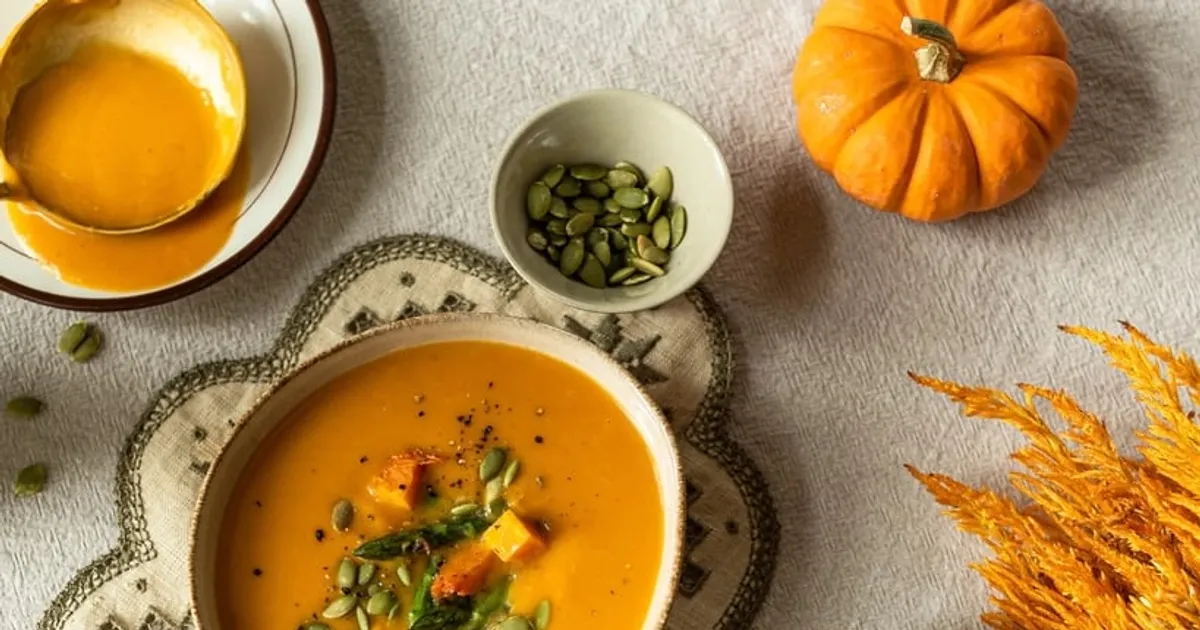
Good options include plain yoghurt, cooled smooth soups, mashed potato, milk puddings and seed-free smoothies eaten with a spoon.
A day-by-day eating guide
Healing varies with the number of implants, whether you had extractions or bone grafting, and your general health. This table shows a common progression, but your dentist's instructions always come first.
| Stage | What usually suits | Go easy on |
|---|---|---|
| While still numb | Sips of cool water | Anything hot or anything you need to chew |
| First 24 hours | Cool, smooth foods: yoghurt, cooled soups, mashed potato, milk puddings | Hot drinks, straws, alcohol, spicy food |
| Days 2 to 3 | Soft foods: lentil soup, soft scrambled eggs, well-cooked vegetables, soft pasta | Crunchy, chewy or hard foods |
| Rest of the first week | Soft-chew meals: flaky fish, minced meat dishes, soft rice, soft cheese | Nuts, seeds, crusty bread, raw vegetables |
| Until your dentist clears you | A gradually wider diet, chewing away from the implant | Biting hard foods directly on the implant area |
Mild soreness and swelling are common in the first few days. Take the pain relief your dentist recommends, and contact your clinic if pain or swelling is getting worse rather than settling.
Eating with temporary teeth
Many implant patients go home with temporary crowns, a temporary bridge or a temporary denture while the implants heal. Temporaries are not as strong as the final teeth, so:
- cut food into small pieces rather than biting into it with your front teeth
- avoid sticky foods such as toffee, chewing gum and chewy sweets, which can pull temporaries loose
- avoid hard foods such as nuts, boiled sweets, crusty bread and ice
- chew slowly and spread the load across both sides where you can
If fixed temporary teeth were fitted on the day of surgery (often called immediate loading), dentists usually recommend a soft diet for much of the healing period, which can last a few months, because the implants need to settle in the bone without heavy biting forces. Ask exactly what you can eat and when that changes. Our guide to the dental implant process in Turkey shows where temporaries fit in the overall timeline, and if you are still weighing up where to have treatment, you can read about implant treatment at VDC Dental Clinic in Antalya.
If a temporary comes loose or breaks, do not try to glue it back yourself. Contact your clinic and ask what to do next.
What to avoid while you heal
Some foods and habits are worth avoiding for longer than the first day:
- Hard and crunchy foods: nuts, crisps, hard crackers, raw carrots, ice and boiled sweets.
- Sticky and chewy foods: toffee, chewing gum, dried fruit and tough meat.
- Small seeds: sesame, poppy and similar seeds can lodge in a healing wound.
- Very hot food and drinks: let tea, coffee and soup cool first, particularly in the first few days.
- Spicy and acidic food: chilli, citrus and vinegar can sting a sore area.
- Alcohol: it can interfere with healing and with some medicines, so wait until your dentist says it is fine.
- Smoking and vaping: these are linked to slower healing and a higher risk of implant problems, so stopping for as long as you can helps.
- Straws: leave them out in the early days after surgery.
Eating after crowns or veneers
Crowns and veneers do not involve surgery, so the rules are much lighter. Once the anaesthetic has worn off, most people can eat normally. Some notice sensitivity to hot and cold for a few days, which often settles on its own; mention it to your dentist if it does not.
Protect them from hard biting
Porcelain and zirconia are strong materials, but like natural teeth they can chip under sudden force. Avoid biting straight into very hard things with your front teeth: ice, boiled sweets, nut shells, bones and crusty bread. Do not use your teeth to open packets or bottles. If you grind or clench at night, ask your dentist whether a night guard would help.
Watch drinks that stain
Porcelain resists staining well, but the bonded edges and the natural teeth around your new crowns or veneers do not, and composite veneers stain more easily. Coffee, tea, red wine, cola and strongly coloured sauces are the usual culprits. You do not need to give them up; rinsing with water afterwards and keeping up good cleaning both help. Tea is offered almost everywhere in Turkey, so this applies from the moment you leave the clinic.
For a fuller look at how the two treatments differ, see our comparison of veneers vs crowns. If you are still choosing, VDC Dental Clinic's porcelain veneers page is a useful place to start your questions.
Soft Turkish foods that are easy to find in Antalya
If you are recovering in Antalya, plenty of everyday Turkish dishes are naturally soft:
- Mercimek çorbası (lentil soup): smooth, filling and widely served. Let it cool before eating.
- Yayla çorbası: a mild yoghurt soup with rice, soothing once it has cooled.
- Yoghurt: plain yoghurt is easy to find and a good source of protein.
- Ayran: a cool, lightly salted yoghurt drink. Drink it from a glass, not through a straw.
- Menemen: soft scrambled eggs cooked with tomatoes and peppers. Ask for it without chilli, and wait a few days if the peppers are chunky.
- Patates püresi (mashed potato) and soft-cooked vegetables such as courgette or aubergine, often slow-cooked in olive oil.
- Sütlaç (rice pudding) and muhallebi (milk pudding): soft desserts that are often served chilled. Choose them without crushed nuts on top.
- Beyaz peynir (soft white cheese): easy to manage once gentle chewing feels comfortable.
Foods to put off until later include simit (a crisp, sesame-covered bread ring), baklava with chopped nuts, lokum (Turkish delight), which is very sticky, and grilled meats that need a lot of chewing.
Getting enough protein and fluids
Your body uses protein to repair tissue, and it is easy to fall short when you are living on soup. Build meals around yoghurt, eggs, lentils, soft fish, soft cheese and milk-based dishes. If eating feels like hard work, small, frequent meals are often easier than three large ones.
Fluids matter even more in Antalya's hot, dry summers, so drink water steadily through the day. If you have diabetes or another condition that affects your diet, ask your dentist and doctor how to adapt these suggestions. Our guide to planning a dental trip to Antalya has more on practical details such as choosing a room with a fridge.
If you notice bleeding that will not stop, swelling spreading across your face or neck, a high temperature, or difficulty breathing or swallowing, contact local emergency services or a local dentist straight away.
Frequently asked questions
When can I eat normally after dental implants?
It depends on how many implants you had, whether grafting was needed and whether temporary teeth were fitted. Many people move back towards a fairly normal diet over a week or two, chewing away from the implant, while biting hard foods directly on it usually waits until the final crown or bridge is in place. Your dentist will confirm the timing at your review.
Can I drink coffee after implant surgery?
Hot drinks are best avoided for the first day, because heat can encourage bleeding and swelling. After that, let your coffee cool to warm and drink it from a cup rather than through a straw. If you also have new crowns or veneers, a rinse with water afterwards helps limit staining at the edges.
Is ice cream a good idea after implant surgery?
Cold food can feel soothing, and plain, smooth ice cream eaten from a spoon is a common choice in the first days. Avoid varieties with nuts, biscuit pieces or chewy bits. Traditional Turkish dondurma is much stretchier and chewier than it looks, so save it for later in your recovery.
What can I eat on the flight home?
Airport and in-flight food is not always soft, so pack something easy, such as a ripe banana or a soft sandwich without crusts, and check what airport security allows. Drink water during the flight. Our article on flying after dental treatment covers the rest of the journey.
Keep reading
Dental Implant Aftercare: The First Two Weeks and Beyond
What is normal after implant surgery, how to clean around the implants, when to return to exercise and work, warning signs to act on and the long-term habits that protect your implants.
How to Care for Veneers So They Look Good for Years
Daily cleaning, the right toothpaste, habits that chip or stain veneers, why night guards matter and how to handle a chip or a loose veneer once you are home.

Problems After Dental Treatment Abroad: What to Do Once You Are Home
What is normal after treatment, which symptoms need urgent help, how to report a problem to the clinic in Turkey, and how to get care from a dentist at home.